



Microneedling has become one of the most talked-about treatments in skincare — and for good reason. Proponents credit it with smoothing texture, fading scars, and restoring a youthful glow.
But the idea of rolling or pressing tiny needles across your face is enough to make anyone pause, especially if you have sensitive skin.
If you’re wondering whether microneedling is right for your reactive complexion, you’re not alone.
The short answer: yes, it can be safe — but only if the procedure is tailored to your skin’s tolerance and performed correctly.

That said, anyone dealing with active skin conditions, severe acne, or extreme sensitivity should do their homework first — understanding both the science and the safeguards involved. Here’s everything you need to know.
What Exactly Is Microneedling?
Before we get into how microneedling interacts with sensitive skin, let’s cover the basics.
Microneedling uses fine needles to create controlled micro-injuries in the skin’s surface.
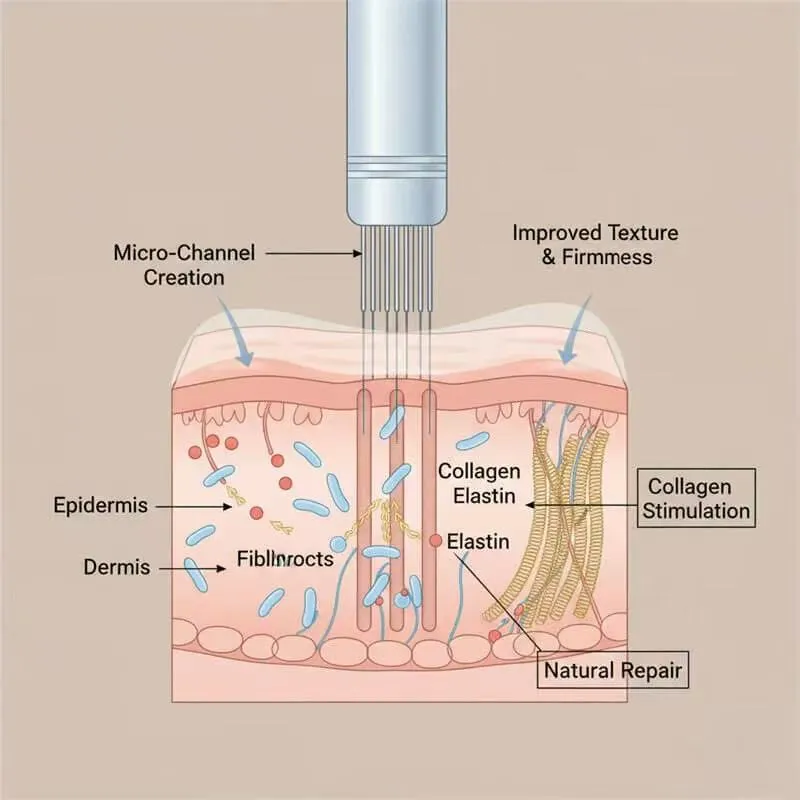
These micro-punctures trigger the body’s natural healing response, stimulating the production of collagen and elastin — the two proteins responsible for keeping skin firm and supple.
Over time, this can reduce fine lines, acne scars, and even stretch marks.
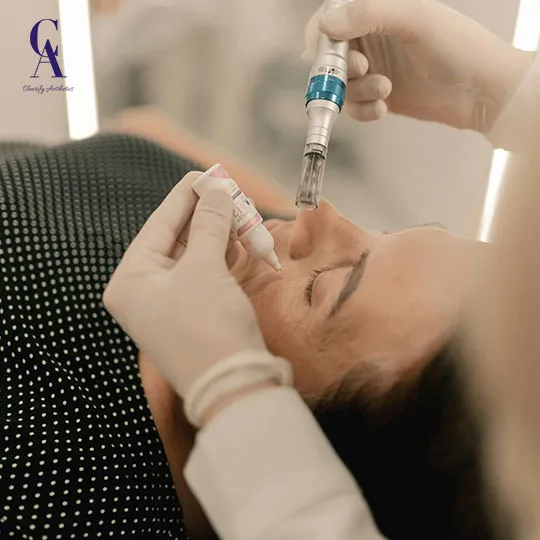
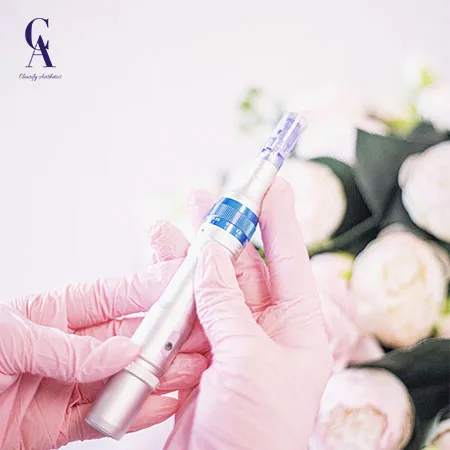
The procedure is typically performed by a dermatologist or licensed aesthetician, though at-home devices like the Dr. Pen have grown increasingly popular and accessible.
How Microneedling Affects Sensitive Skin
Sensitive skin is already prone to irritation, redness, and inflammation — so the idea of deliberately creating micro-injuries can feel counterintuitive. So what actually happens?
When done correctly, microneedling is safe for sensitive skin. The key is keeping needle depth shallow to avoid excessive trauma. The goal is to stimulate the surface layer, not overwhelm it.
Think of sensitive skin as a compromised barrier — fragile and reactive. Microneedling, in the right hands, creates controlled micro-channels that kickstart collagen and elastin regeneration without causing lasting damage. It essentially opens the door for targeted actives to penetrate deeper, where they can do their work. But this only works when paired with the right post-treatment products and performed with precision.
That said, temporary redness and swelling are normal — and they may be more pronounced on sensitive skin. Using properly sterilized equipment is non-negotiable to prevent infection or adverse reactions.
Important: If you have rosacea, eczema, psoriasis, or active acne, microneedling is not for you right now. Micro-trauma can flare these conditions and make things worse.
The Benefits of Microneedling for Sensitive Skin
Despite the concerns, microneedling offers real advantages for sensitive skin when approached with care.
1. Reduces Fine Lines and Wrinkles
By stimulating collagen and elastin production, microneedling helps plump the skin from within. For sensitive skin showing early signs of aging, it’s a minimally invasive way to restore a more youthful appearance.
2. Improves Skin Texture
Uneven texture — rough patches, acne scars, post-inflammatory marks — responds well to microneedling. It’s especially helpful for sensitive skin that’s been damaged by breakouts, as long as the acne has fully cleared before treatment.
3. Fades Hyperpigmentation
Sensitive skin is prone to post-inflammatory hyperpigmentation. Microneedling accelerates cell turnover, which can gradually even out dark spots and discoloration over time.
4. Boosts Product Absorption
The micro-channels created during treatment dramatically increase the skin’s ability to absorb serums and treatments. Pair this with calming, hydrating actives — like hyaluronic acid serums — and you get deeper penetration plus faster recovery.
Precautions for Sensitive Skin
The benefits are real, but so are the risks if you rush in without a plan. Here’s what to keep in mind:
1. Consult a Professional First
Whether you’re booking a clinic session or using an at-home device, get a professional opinion first.

A dermatologist or licensed aesthetician can assess your skin’s current condition, identify any underlying issues, and determine if microneedling is appropriate for you.
This cannot be overstated: your skin’s health always comes first.
2. Keep Needle Depth Under 0.5mm
For sensitive skin, anything deeper than 0.5mm risks irreversible barrier damage.
Going too deep strips moisture, weakens the skin barrier, and can leave you more reactive than before.
Work with a professional to determine the right depth for your face — and pay close attention to how long you hold the device on each area.
Also, direction matters. For general sensitive skin, move the device in one consistent direction across the face.
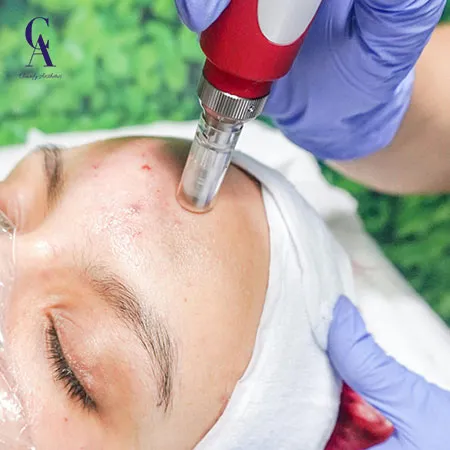
If you’re treating an area with active inflammation (like a cystic breakout), use a circular motion to stay localized and avoid spreading bacteria.
3. Do a Patch Test
If you’re treating at home, always test the device on a small, inconspicuous area first to gauge your skin’s reaction.
For a more comfortable experience, opt for nano-needle cartridges — they create micro-channels without actually piercing the skin, making them ideal for reactive complexions.
4. Prioritize Post-Treatment Hydration
Dryness, tightness, and mild swelling after treatment are normal.
Follow up with a soothing serum and a rich moisturizer to support barrier repair. A hydrating mask can help, too.
Avoid makeup and active ingredients for at least 24 hours to give your skin room to recover.
The Sensitive-Skin Microneedling Starter Kit
Ready to get started? Having the right tools and post-care products makes all the difference. Here’s what we recommend:
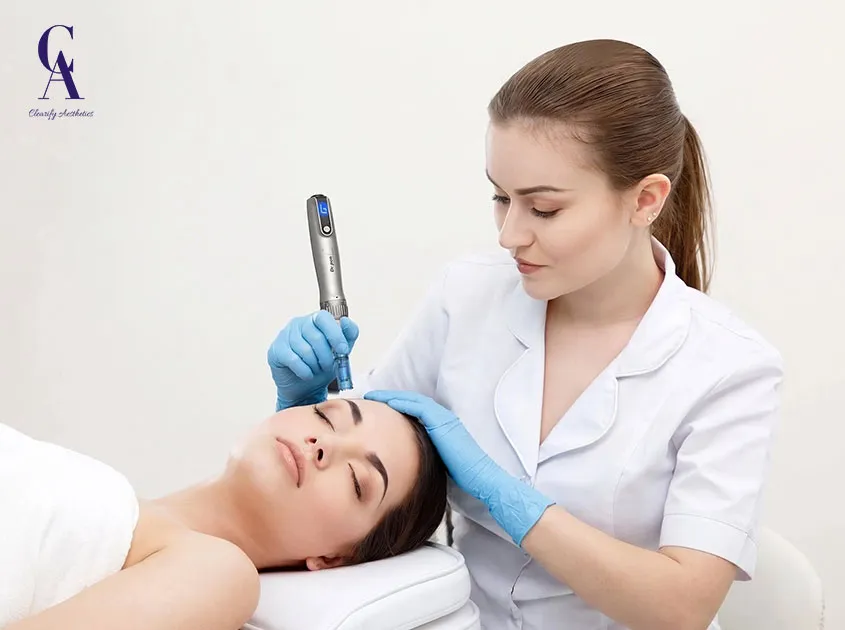
Dr. Pen M8S Microneedling Pen
Adjustable needle depth gives you precise control — essential for sensitive skin. Delivers professional-grade results at home for fine lines, mild scarring, and texture concerns.
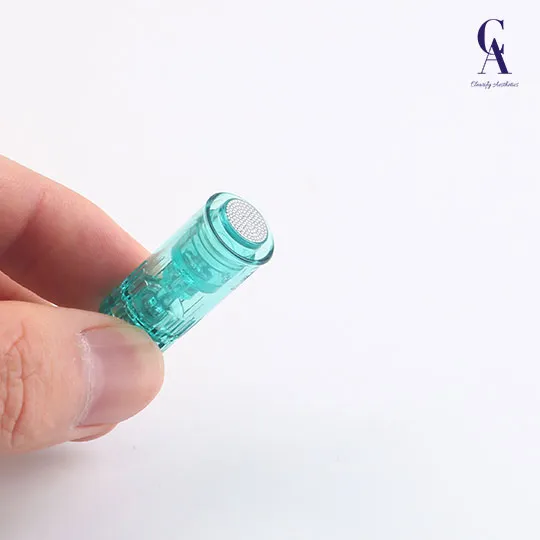
Nano Pin Cartridge (Face & Body Combo)
Nano needles are virtually painless and don’t break the skin — they create micro-channels for better absorption with minimal irritation.
The combo set also includes standard cartridges for versatility.
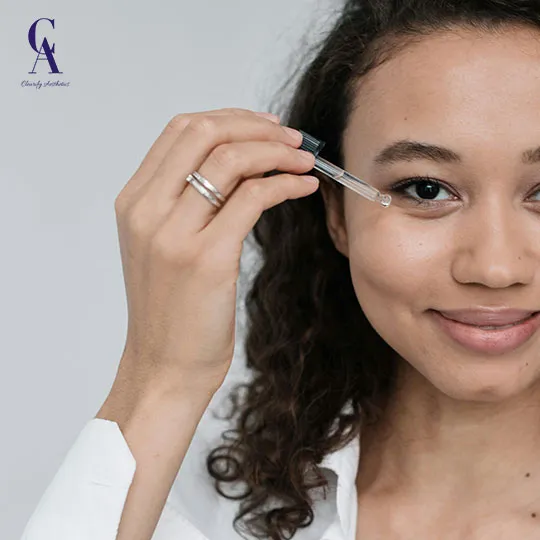
Hyaluronic Acid Serum
Post-treatment hydration is critical. HA locks in moisture, calms redness, and supports the skin’s natural repair process.
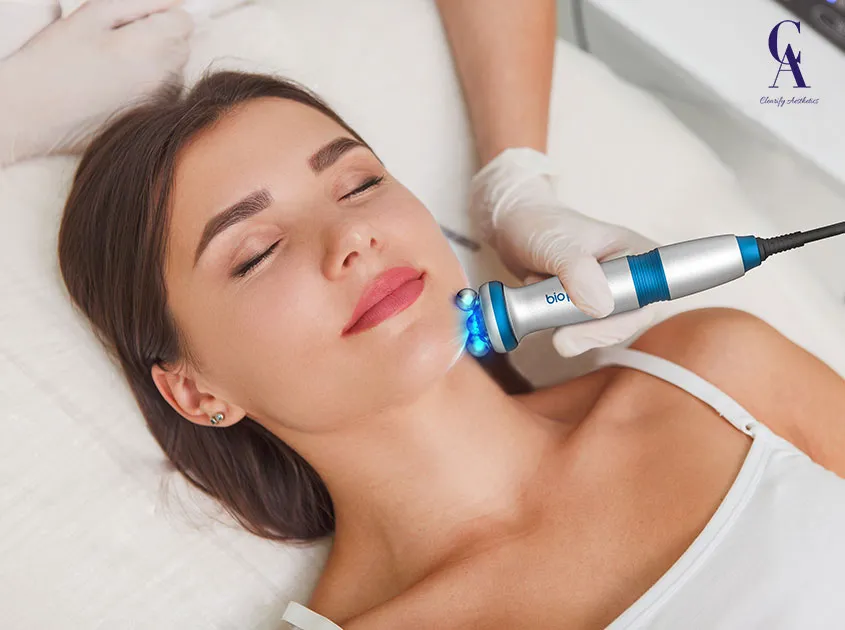
Bio Pen T6 (LED + RF Device)
A complete aftercare companion. Gentle LED light therapy reduces inflammation, boosts collagen, and enhances microneedling results — all without irritating sensitive skin.
With the right setup, even sensitive skin can safely benefit from microneedling. The right tools plus the right routine equals real, visible results.
Conclusion
Is microneedling effective for sensitive skin?
Yes — if you understand your skin’s limits and take the proper precautions. Microneedling wouldn’t be as widely praised as it is if it didn’t deliver. When paired with the right devices, the right depth, and a solid post-treatment plan, it can genuinely transform reactive, sensitive skin.
Ready to start your microneedling journey? Reach out to our skin consultants for personalized guidance.
Frequently Asked Questions
- How Microneedling Affects Sensitive Skin?
Think of sensitive skin as a compromised barrier — fragile and reactive.
Microneedling, in the right hands, creates controlled micro-channels that kickstart collagen and elastin regeneration without causing lasting damage.
It essentially opens the door for targeted actives to penetrate deeper, where they can do their work.
But this only works when paired with the right post-treatment products and performed with precision.
- What should be noted during a microneedling treatment for sensitive skin?
-
See a pro first. A dermatologist or licensed aesthetician should confirm it’s safe for your skin before you start.
-
Stay ≤0.5mm deep. Deeper = irreversible barrier damage. Move in one direction normally; use circles only on active breakouts to contain bacteria.
-
Patch test everything. Try on a small hidden area first. Prefer nano-needle cartridges — they open channels without piercing, better for reactive skin.
-
Hydrate, then leave it alone. Soothing serum + rich moisturizer right after. No makeup, no actives (acids, retinol) for 24 hours.
-