



If you’re looking to reduce acne scars, stretch marks, fine lines, wrinkles, sagging skin, or hyperpigmentation, you may have come across a revolutionary treatment known as Collagen Induction Therapy (CIT).
But what exactly is it, and how does it work?
In this comprehensive guide, we’ll explore the science behind microneedling, its benefits for your skin, and everything you need to know before starting your journey to a more radiant complexion.

How Does Collagen Induction Therapy Work?
At its core, Collagen Induction Therapy harnesses the body’s innate ability to heal itself.
The process involves using a specialized microneedling device—such as a micro-needling pen—to create precise, microscopic punctures in the skin.
These controlled micro-injuries trigger the skin’s natural wound-healing cascade.
In response, the skin releases growth factors and begins producing fresh collagen and elastin—two essential proteins responsible for skin structure, firmness, and elasticity.
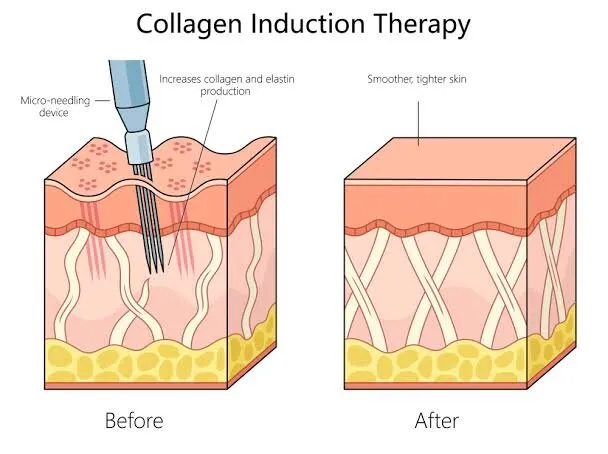
This regenerative process not only repairs damaged tissue but also rejuvenates the skin, resulting in a visibly younger, healthier, and more luminous appearance.
Using the Dr. Pen for Collagen Induction Therapy
The Dr. Pen is a leading brand of microneedling devices, designed as a non-surgical, cosmetic-grade tool to enhance skin quality.
Equipped with a powerful motor and single-use sterile needle cartridges, the Dr. Pen allows for precise and gentle treatment across various skin types and concerns.

During a session, the device is moved across the treatment area in cross-hatch and circular motions.
This technique ensures even needle penetration and optimal stimulation of the skin’s regenerative pathways.
The Dr. Pen’s adjustable speed and depth settings make it versatile enough to treat delicate areas like the face as well as more resilient zones on the body.
Key Benefits of Microneedling and Collagen Stimulation
The benefits of microneedling extend far beyond simple rejuvenation. Here’s what you can expect from a consistent CIT regimen:
-
Reduction of fine lines and wrinkles
-
Fading of hyperpigmentation and sunspots
-
Improvement in acne scars and stretch marks
-
Tighter, firmer skin with improved elasticity
-
Overall enhancement in skin tone, texture, and radiance
The Added Advantage——Enhanced Product Absorption

One of the most celebrated benefits of microneedling is the significant boost in topical product absorption.
The micro-channels created during treatment allow serums, moisturizers, and active ingredients to penetrate deeper into the dermal layers.
Compared to application on untreated skin, products become substantially more effective, delivering nutrients directly where they are needed most.
What Areas Can Be Treated?
Thanks to the adjustable depth and speed settings of the Dr. Pen, Collagen Induction Therapy can be safely applied to both facial and body areas. Common treatment zones include:
-
Face, neck, and décolletage (chest area)
-
Back of the hands
-
Buttocks and thighs
These areas are often prone to visible signs of aging or skin damage, making them ideal candidates for CIT.
Am I a Suitable Candidate for Collagen Induction Therapy?
While CIT is safe for most healthy individuals, certain contraindications must be considered.

You should avoid microneedling if you have any of the following conditions:
-
Currently taking isotretinoin (for acne treatment)
-
Scleroderma or other collagen vascular diseases
-
Blood clotting disorders (e.g., hemophilia)
-
Active bacterial or fungal infections, including herpes simplex (cold sores)
-
Immunosuppression or compromised immune function
-
Received dermal fillers (e.g., Juvederm) within the last 6 months
-
Received Botox injections within the last 2 weeks
Always consult with a qualified skincare professional before beginning treatment to ensure it is safe for your specific health profile.
How Long Does a Microneedling Session Take?
A typical microneedling session lasts between 30 to 60 minutes, depending on the size of the area being treated and your experience with the device.
For enhanced comfort, a topical numbing cream is often applied 20 to 30 minutes prior to the procedure to minimize any discomfort.
How Many Sessions Are Needed, and When Will I See Results?
Results vary based on individual skin type, genetics, lifestyle, and the severity of the concerns being addressed.
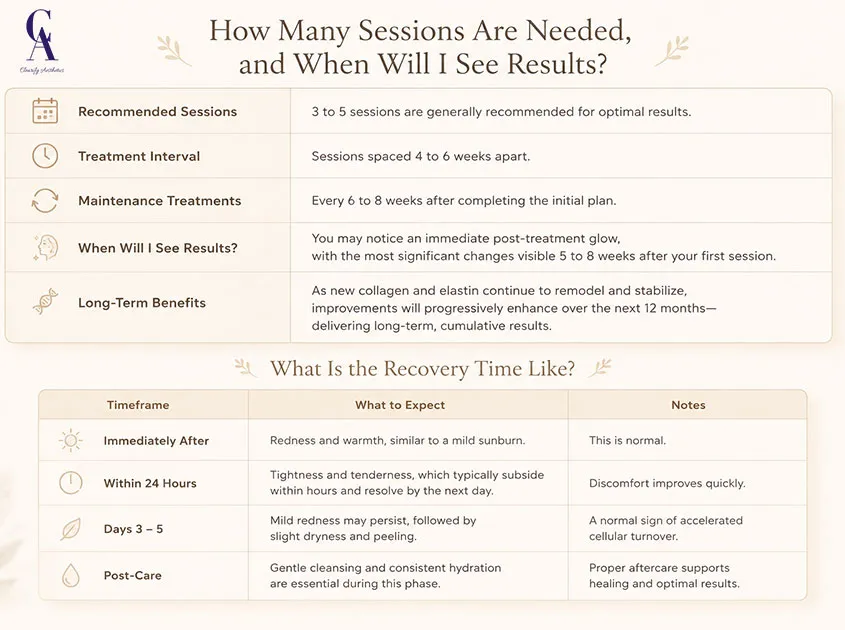
For optimal outcomes, 3 to 5 sessions spaced 4 to 6 weeks apart are generally recommended. Maintenance treatments can then be scheduled every 6 to 8 weeks.
While you may notice an immediate post-treatment glow, the most significant changes become visible 5 to 8 weeks after your first session.
As new collagen and elastin continue to remodel and stabilize, improvements will progressively enhance over the next 12 months—making CIT one of the few treatments that deliver long-term, cumulative results.
What Is the Recovery Time Like?
One of the appeals of Collagen Induction Therapy is its relatively short recovery period.
Immediately post-treatment, you can expect:
-
Redness and warmth, similar to a mild sunburn
-
Tightness and tenderness, which typically subside within hours and resolve by the next day
Mild redness may persist for a few days, followed by slight dryness and peeling around days 3 to 5.
This is a normal sign of accelerated cellular turnover and should not be cause for concern.
Proper post-care, including gentle cleansing and consistent hydration, is essential during this phase.
Ready to Begin Your Microneedling Journey?
Whether you’re choosing your first microneedling device, refining your technique, or tailoring a treatment plan to your unique goals—we’re here to help.

For personalized guidance, our in-house beauty consultants are available for one-on-one consultations.
Reach out today, and take the first step toward healthier, more radiant skin.
Frequently Asked Questions
- When Should You Avoid Collagen Induction Therapy?
While Collagen Induction Therapy is safe for most people, it is not suitable for everyone. You should avoid microneedling if you have any of the following conditions:
-
Taking isotretinoin (a strong acne medication) — wait at least 6 months after stopping
-
Scleroderma or other collagen-related diseases
-
Blood clotting problems (e.g., hemophilia) or taking blood-thinning medications
-
Active skin infections — bacterial, fungal, or viral (including cold sores)
-
Weak immune system — due to illness or medications
-
Recent dermal fillers (like Juvederm) — wait at least 6 months
-
Recent Botox — wait at least 2 weeks
Always talk to a qualified skincare professional before starting treatment to make sure it is safe for you.
-
- What is Treatment Collagen Induction Therapy's best Frequency and Results Timeline
Recommended Sessions: 3 to 5 treatments, spaced 4 to 6 weeks apart. Maintenance every 6 to 8 weeks thereafter.
Initial Response: A transient post-treatment glow is often visible immediately.
Peak Improvement: Significant clinical results—including reduced wrinkles, scar attenuation, and improved texture—typically emerge at 5 to 8 weeks post-initial session.
Long-Term Progression: Collagen remodeling continues progressively for up to 12 months, yielding sustained, cumulative enhancements—a distinguishing feature of this modality.